How to Choose a Property Developer: A Buyer’s Due-Diligence Guide
On this page
Most property decisions begin with a polished brochure, a show unit and a persuasive sales pitch. None of those tell you whether the company behind them will actually deliver. The developer you pick shapes whether the project gets finished, when you get the keys, how well it’s built, and how you’re treated once the money has changed hands — which makes vetting the developer as important as choosing the property itself.
The good news is that a developer’s reliability leaves evidence, and most of it is checkable before you commit. Here is how to find it. Rules on registration and buyer protection differ from one country to the next, so treat the regulatory points below as prompts to check your own jurisdiction rather than a single global standard.
Judge the developer by what’s already built
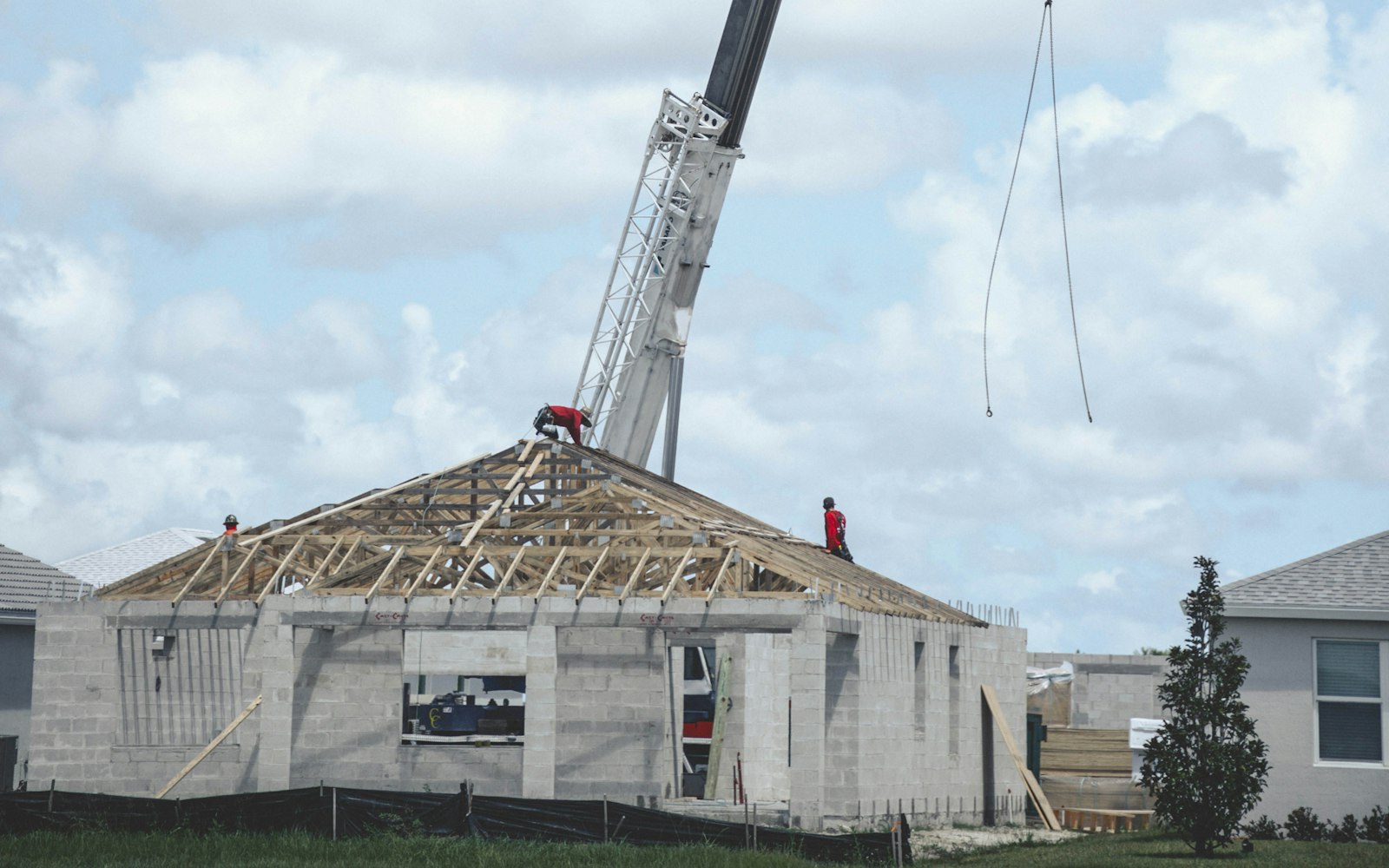
Start with completed work, not plans. A developer with a real history will have finished projects you can name, visit and verify. Look at how many they’ve delivered, whether handovers landed close to the promised dates, and whether buyers received what they were sold. Browsing a developer’s completed developments is a faster read on their reliability than any marketing page.
Then go in person. A show flat is built to impress; a three-year-old building tells the truth. Walk the parts that age fastest — corridors, stairwells, lifts, parking, water tanks, drainage and the external façade — and note how well it’s all maintained. Most valuable of all is a conversation with someone already living there. Current owners will tell you about delays, snagging and how the developer handled problems after handover, which no testimonial will.
Confirm the company behind the brochure
Look past the project name to the entity selling it. Confirm it exists as a properly constituted legal business, that the specific project carries the approvals your local authority requires, and that the developer has the right to sell. Reviewing the company’s background and experience is a sensible first step before you go deeper.
Two checks deserve particular attention. First, land ownership: verify through official records that the developer holds title to the site, or has a documented right to develop and sell it — contracting with a party that has no good title can create serious problems later. Second, financial capacity: a project only gets finished if the developer can fund it to completion. Ask how the development is financed. This matters most with newer developers, who may offer attractive prices but carry more unknowns because their reputation and delivery record are still thin.
Put the contract and the money under scrutiny
Read the purchase agreement closely, and have an independent property lawyer review it before you sign — the buyer’s interests rarely match the developer’s, and this is not where to economise. The contract should state exactly what you’re buying, the specifications, the handover date, the payment schedule, extra charges, and what happens if either side defaults or the project is cancelled.
Scrutinise the payment structure in particular. Be wary of arrangements that demand large sums before meaningful construction has happened. In many regulated markets, payments on under-construction projects are held in a protected or escrow account so the money stays tied to the project rather than being spent elsewhere — a safeguard that limits your exposure if the project stalls. Confirm whether that protection applies where you’re buying; if it doesn’t, treat your payments as higher-risk and adjust what you’re willing to pay upfront.
Compare advertised timelines with contractual ones
Marketing timelines and contractual completion dates are not the same thing, and only the contractual one is enforceable. Get the committed handover date in writing, and find out what the contract provides if that date slips. Then weigh it against history: a developer whose past projects ran years late is likely to repeat the pattern, whatever the current campaign promises. Ask, too, about after-sales responsibility — who fixes defects in the first year, and how.
Warning signs worth walking away from
- Reluctance to share documentation, approvals or a written contract.
- Pressure to pay quickly, before you’ve verified anything.
- Information that keeps changing between conversations.
- Guarantees of returns or appreciation that sound too good to be true.
- No clear answer on where your money is held before handover.
- A record of delayed, stalled or cancelled projects.
Questions to ask before you commit
- How many projects have you completed, and can I visit one?
- Were previous projects handed over on or close to schedule?
- Is this project registered and approved with the relevant authority?
- Do you hold title to the land, or the right to sell it?
- How is the project funded through to completion?
- Where are my payments held before handover?
- What is the contractual completion date, and what happens if it’s missed?
- What cover applies to defects after I move in?
Choosing a property developer comes down to one habit: trusting evidence over promises. A building you’ve walked through, a contract a lawyer has read, records you’ve checked, and an owner’s honest account are each worth more than any brochure. For more guidance on buying well, GFS publishes related property buying guides. Do the verification before you pay — the time it takes is the cheapest insurance you’ll buy on the whole purchase.
FAQs
How can I check whether a property developer is reputable?
Verify their completed projects, confirm the company and the specific project are registered with the relevant authority, read independent reviews, and speak directly to people who already own in their developments.
What should I verify before buying from a developer?
The delivery track record, legal registration and approvals, who holds title to the land, how the project is funded, the full contract and payment schedule, how your money is protected before handover, and the contractual completion date.
Is it safe to buy from a new or unestablished developer?
It can be, but it carries more risk because there’s little delivery history to judge. Compensate with deeper checks — land ownership, project funding, contract terms and fund protection — and be more cautious about large upfront payments.
What documents should I review before purchasing?
At minimum the sale and purchase agreement, project approvals and registration, proof of land title or the right to sell, and the payment schedule. Have an independent lawyer review them before you sign, as requirements vary by country.
What are the warning signs of an unreliable developer?
Missing documentation, pressure to pay quickly, information that keeps changing, unrealistic return guarantees, no clarity on where funds are held, and a history of delayed or cancelled projects.